
Lecture 39: Proof-of-Work: The Math of Making Tampering Expensive
Sequentia Explores: The Mathematics of Crypto Part VI: Building a Blockchain – The Math of a Distributed Ledger Lecture 39:

Sequentia Explores: The Mathematics of Crypto Part VI: Building a Blockchain – The Math of a Distributed Ledger Lecture 39:
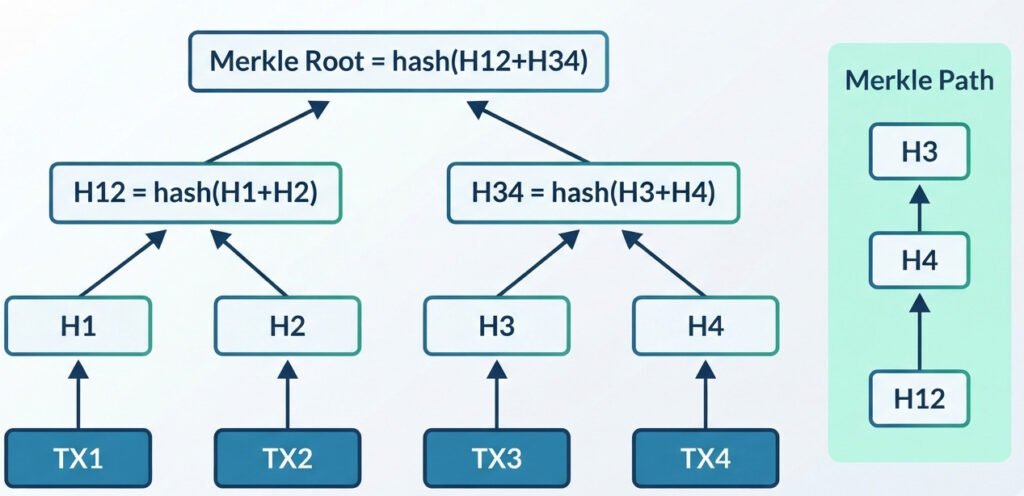
Sequentia Explores: The Mathematics of Crypto Part VI: Building a Blockchain – The Math of a Distributed Ledger Lecture 38:
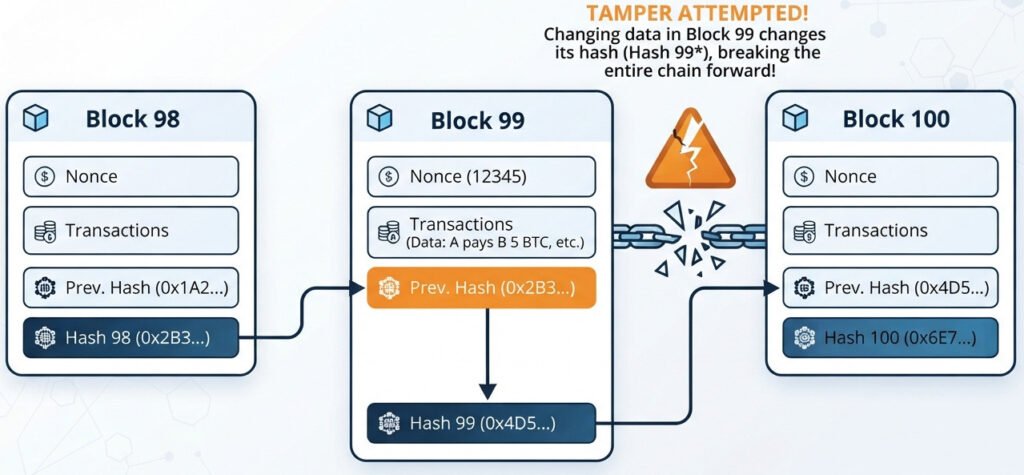
Sequentia Explores: The Mathematics of Crypto Part VI: Building a Blockchain – The Math of a Distributed Ledger Lecture 37:
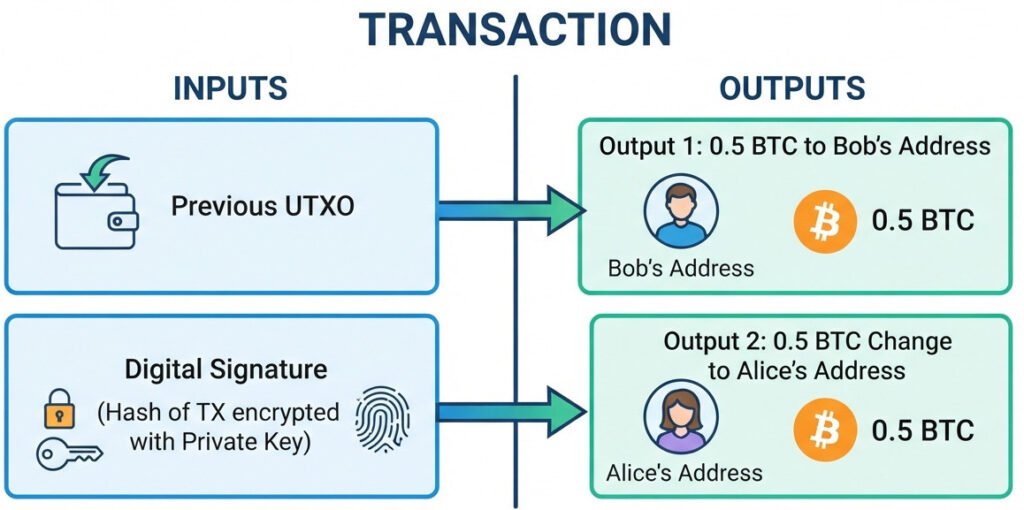
Sequentia Explores: The Mathematics of Crypto Part VI: Building a Blockchain – The Math of a Distributed Ledger Lecture 36:
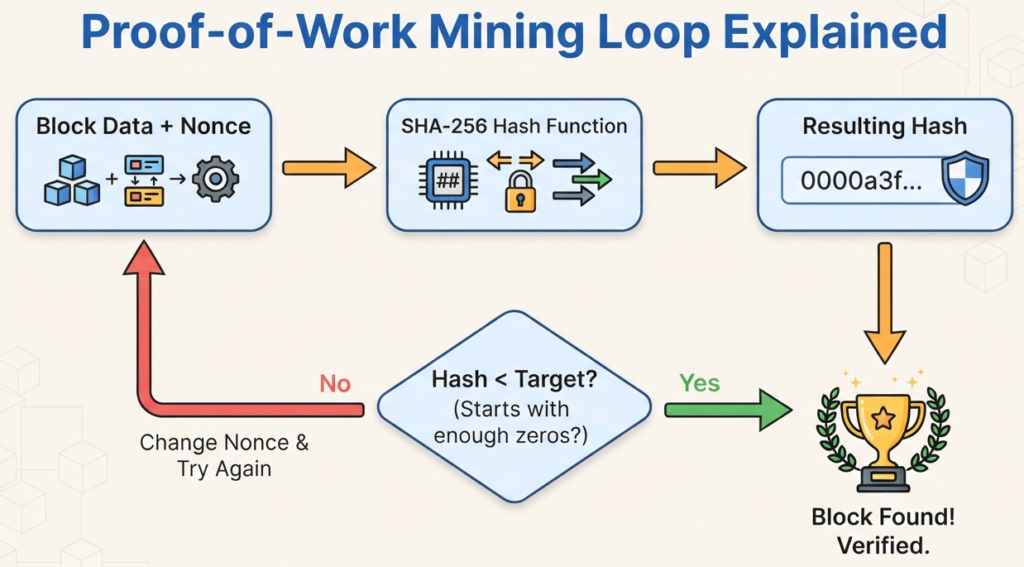
Sequentia Explores: The Mathematics of Crypto Part III: Historical Ciphers & the Dawn of Cryptanalysis Lecture 35: The Hash Puzzle:
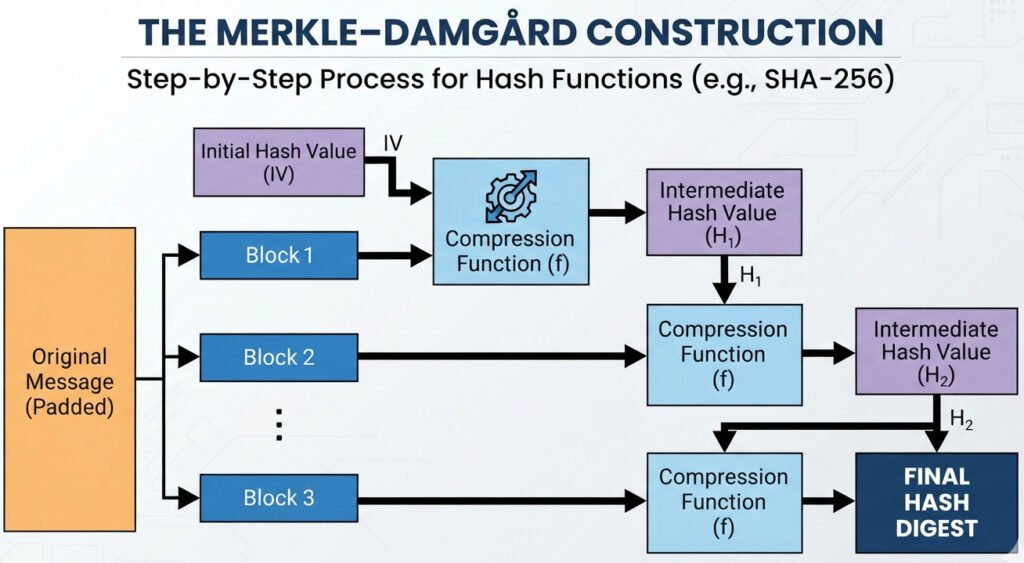
Sequentia Explores: The Mathematics of Crypto Part III: Historical Ciphers & the Dawn of Cryptanalysis Lecture 34: SHA-256: The Hashing
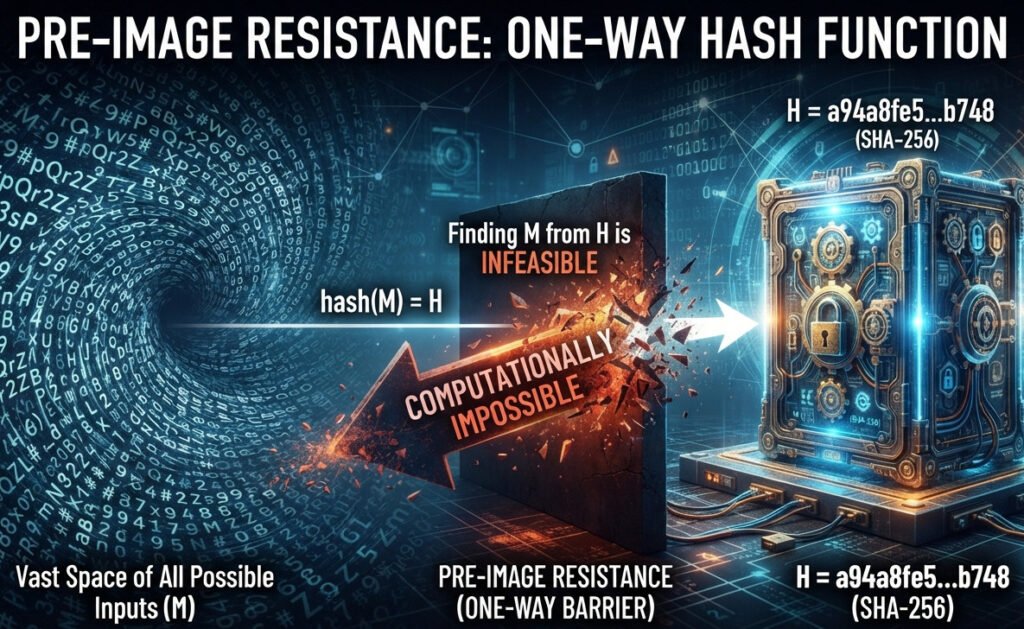
Sequentia Explores: The Mathematics of Crypto Part III: Historical Ciphers & the Dawn of Cryptanalysis Lecture 33: Pre-image Resistance: The
Sequentia Explores: The Mathematics of Crypto Part III: Historical Ciphers & the Dawn of Cryptanalysis Lecture 32: Collision Resistance: Why
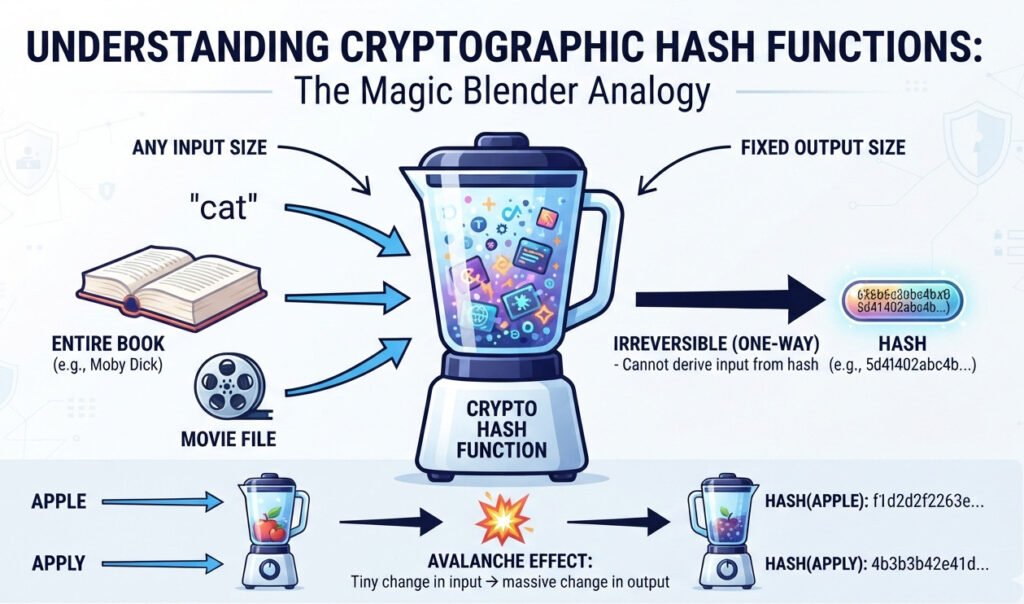
Sequentia Explores: The Mathematics of Crypto Part III: Historical Ciphers & the Dawn of Cryptanalysis Lecture 31: Cryptographic Hashing: The
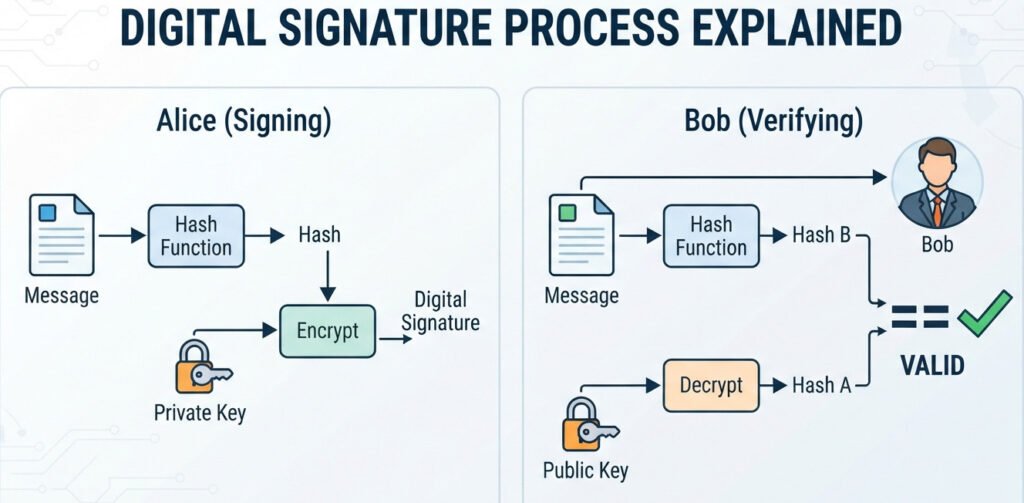
Sequentia Explores: The Mathematics of Crypto Part III: Historical Ciphers & the Dawn of Cryptanalysis Lecture 30: What is a